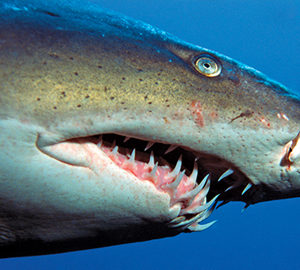
Bull sharks are one of the few shark species that can thrive in freshwater, making them some of the most adaptable predators on the planet.
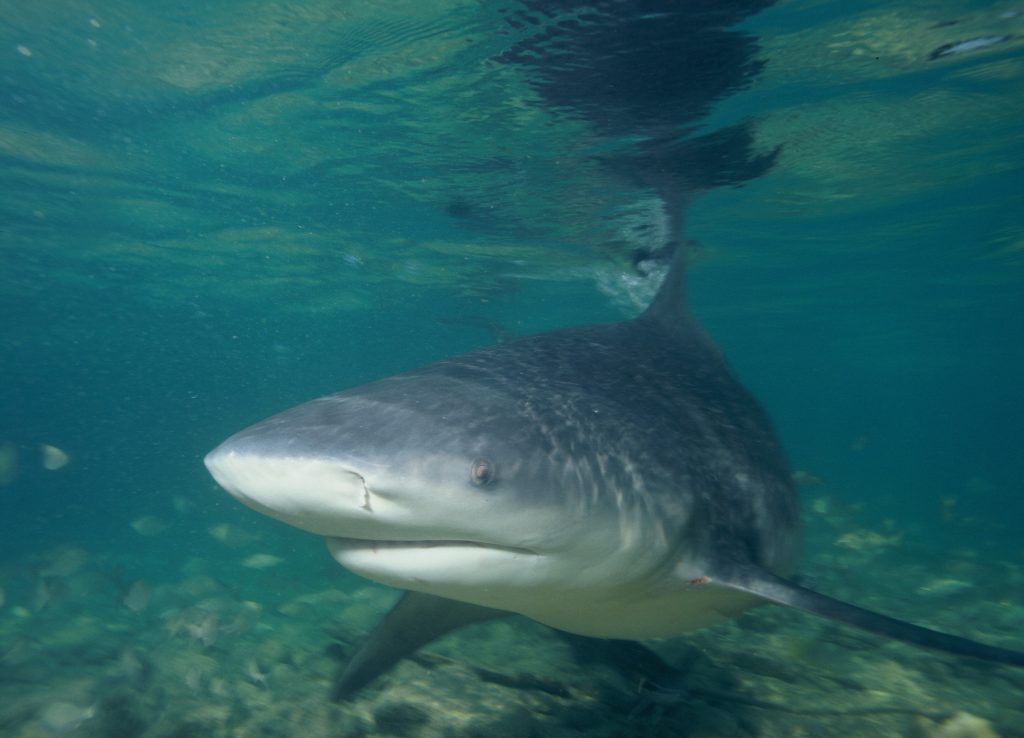
Believe it or not, these sharks are responsible for more attacks on humans than any other species! And there are plenty of Bulls in our brackish May River. But don’t worry, this isn’t about fear-mongering. Instead, we’re diving into the fascinating facts about bull sharks and their unique ability to move between marine and freshwater environments.
Why Can Bull Sharks Live in Freshwater?
Bull sharks are diadromous, meaning they can transition between saltwater and freshwater with ease. This remarkable adaptation likely evolved during the last Ice Age when ancestral bull sharks were forced to survive in environments with lower salinity due to changing ecosystems. Over time, nature favored those capable of thriving in these conditions.
Their ability to live in freshwater comes down to their biology. Organs like the rectal gland, liver, kidneys, and gills work together to regulate salt and water balance. For instance, in freshwater, the rectal gland excretes far less salt compared to when they’re in a marine environment. It’s an incredible evolutionary feat that allows them to roam freely between habitats.
When and Why Do Bull Sharks Swim Upstream?
While adult bull sharks typically reside in oceans or estuary mouths, juveniles often seek refuge in freshwater rivers and creeks. But why?
The key lies in survival. Newborn bull shark pups, which can be up to two feet long at birth, are born in low-salinity inshore areas to avoid encounters with larger oceanic predators. These pups gradually enter freshwater ecosystems like rivers and creeks, where predators are less abundant and salinity levels are more manageable for their developing bodies.
Over time, as they mature and build a higher tolerance for salt, they’ll return to the brackish estuaries and oceans. This migration ensures their survival and gives them a safe space to grow into one of the most formidable freshwater predators. While in freshwater or brackish ecosystems, they feed on a variety of prey, including smaller fish, amphibians, rays and more.
How Far Can Bull Sharks Travel into Freshwater?
If you think bull sharks stick close to the ocean, think again. These sharks have been known to travel extensively upstream, even up to thousands of miles. They have been spotted as far up the Savannah River near Augusta!!!
This ability to cover such distances makes bull sharks unique among both marine and freshwater predators.
Bull sharks might inspire fear for some, but there’s no denying their remarkable adaptability and survival instincts.
Their ability to move between saltwater and freshwater habitats, along with their widespread presence in river systems, makes them one of the ocean’s most fascinating species. Whether you’re an angler, biologist, or someone curious about marine life, bull sharks are a testament to the wonders of evolution and nature’s complexity.